Top 5 Signs Your Home Needs New Cavity Wall Insulation
Top 5 Signs Your Home Needs New Cavity Wall Insulation
Cavity wall insulation is one of the most effective ways to keep your home warm and your energy bills under control. But like any part of your property, it doesn't always last forever — and when it starts to fail, the signs aren't always obvious. Here are the five most common indicators that your cavity wall insulation may need attention.
1. Your Energy Bills Keep Climbing
If your gas or electricity bills have been creeping up but your usage habits haven't changed, poorly performing cavity wall insulation could be to blame. When insulation deteriorates or was never installed correctly in the first place, heat escapes through the walls far more quickly than it should — forcing your boiler to work harder and costing you more every month. If you've noticed a steady rise in your bills without a clear explanation, it's worth having your insulation checked.
2. Your Walls Feel Cold to the Touch
A well-insulated wall should feel relatively neutral to the touch, even in the middle of winter. If your internal walls feel noticeably cold — particularly on the ground floor or in rooms on the side of the house most exposed to the elements — this is a strong sign that the insulation within the cavity is either absent, has settled, or has become damp and ineffective.
3. You're Noticing Damp or Mould
Damp and mould are not just cosmetic problems — they're a health concern and often a signal that something is wrong with your home's thermal envelope. In some cases, failed or incorrectly installed cavity wall insulation can allow moisture to bridge across the cavity and penetrate the internal walls. If you're seeing persistent damp patches or mould growth, especially on external-facing walls, your insulation could be a contributing factor.
4. There Are Cold Spots or Draughts in Certain Rooms
Does one room in your home always feel colder than the rest, no matter how high you turn the heating? Uneven temperatures and unexplained draughts can indicate that the insulation within your cavity walls has shifted, settled unevenly, or degraded in specific areas. This is particularly common in older properties where insulation was installed many years ago.
5. Your Home Was Built Between 1920 and 1995
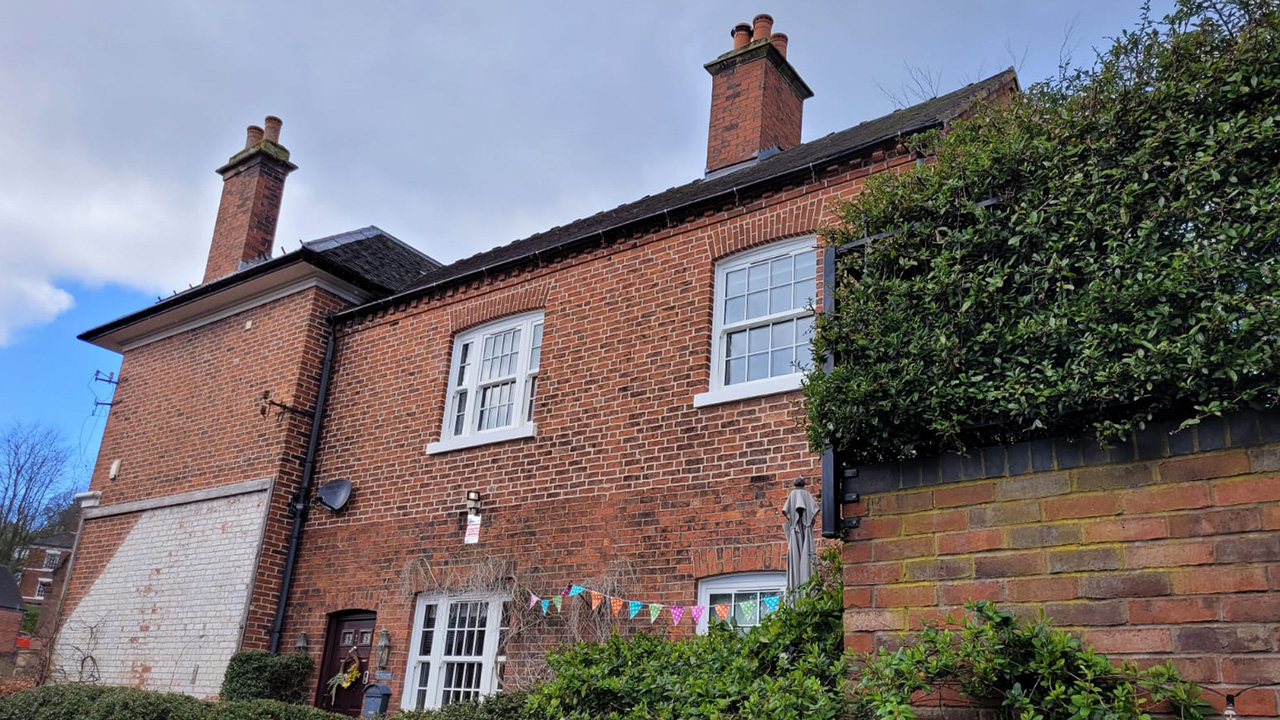
Homes built during this period are most likely to have unfilled or underperforming cavity walls. While many were fitted with insulation during national schemes in the 1980s and 1990s, that insulation is now ageing and may no longer be performing as it should. If your home falls within this era and has never had its insulation assessed, a free survey is a sensible starting point.
What to Do Next
If any of the above sounds familiar, the good news is that the solution is often straightforward. At Smart Loft 365, we offer free, no-obligation surveys for homeowners across the South West of England and South Wales. Our team will assess your property, give you an honest picture of what's going on, and recommend the most effective course of action. Get in touch today to book your free survey.